Save natural teeth with root canal therapy, eliminating infection, relieving pain, and restoring strength while preserving your natural smile.
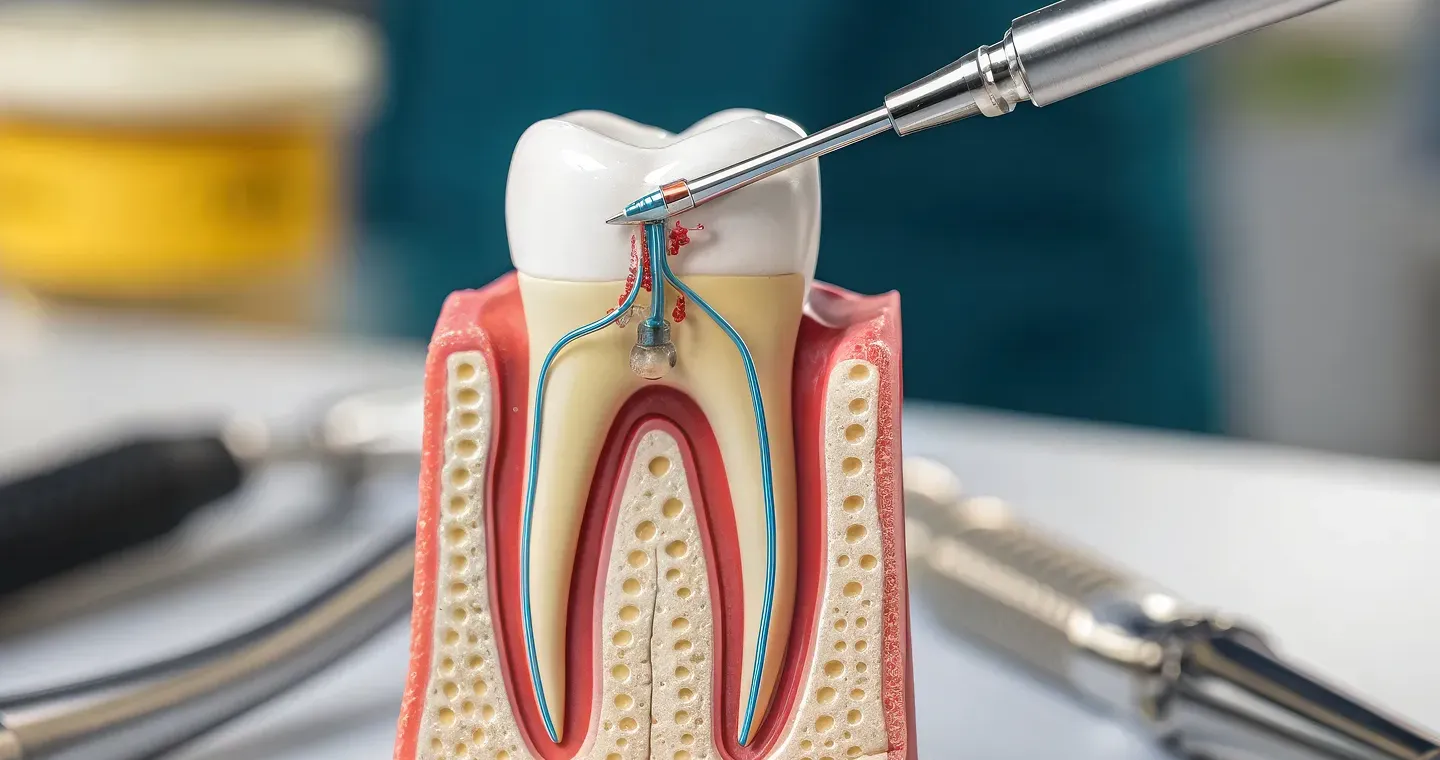
Endodontics is often known as Root Canal Treatment. This treatment is used to remove the nerves from a tooth that is infected or inflamed. Infection or inflammation of nerve tissue can be caused by deep decay or as a complication following an extensive restoration.
There are many possible reasons a Root Canal Treatment may be advised, including fractures following trauma, excessive dental wear, or even sometimes as a result of severe gum disease.
Above the roots of a tooth, you have what is referred to as the crown. This is made up of the hard, white enamel layer you can see, which covers a thicker dentine layer. Under these harder, protective surfaces, you have the innermost tissues of the tooth – the pulp. This contains blood vessels and nerves, extending from the crown down to the tips of the root(s). As part of a root canal treatment, these pulp tissues are removed from your tooth in the event of infection or inflammation.
If you are experiencing pain, prolonged sensitivity to hot and cold, a discoloured tooth, swelling, or a bad taste in your mouth, you may be experiencing damaged pulp tissue. However, it is also possible not to experience any symptoms at all following this damage. If left unchecked, inflamed or infected pulp tissue can lead to swelling, significant pain, and even the loss of bone in the supporting area.
Root canal treatment allows us to attempt to save teeth that would be extracted (removed). This is because, following root canal treatment, the tooth itself has no vital tissues left within it. However, it still has a supporting network of surrounding vital tissues – gums, periodontal membrane, and supporting bone – which allows it to function normally. With proper routine care and oral hygiene measures, these saved teeth can extend their lifespan further.
The first step in root canal treatment is to remove the infected or inflamed pulp. Using a local anaesthetic, the crown of the tooth is opened to allow access to this problematic pulp. Then, using small, specially-designed rotary files, the canals of the root are cleaned, cleared, and shaped to enable them to be sealed.
Using a permanent sealant material, the treated canals in the root are filled and sealed shut. The tooth is then restored to its former shape, either using a permanent filling or a dental crown, depending on how much tooth remains. Usually, this is completed as soon as possible to lower the risk of fracture from biting forces.
Root canal treatment may be done in single or multiple visits, depending on the complexity of the tooth.
Often, X-rays are taken to determine the length of the root and to monitor the various treatment stages.
Following root canal treatment, we would advise avoiding chewing or biting on the affected tooth until it has been permanently restored, either with a filling or a crown. Biting forces prior to this may result in fracturing of the treated tooth. This is why it is so important to complete the permanent restoration as soon as possible following root canal treatment.
Following root canal treatment, most treated teeth last as long as natural teeth, following the permanent restoration. You must also continue to practice good oral hygiene, as root-filled teeth are still as prone to decay as natural teeth, and undergo regular, routine reviews and examinations with your dentist.
.svg)

Explore our blog for expert advice, treatment insights and oral care tips.
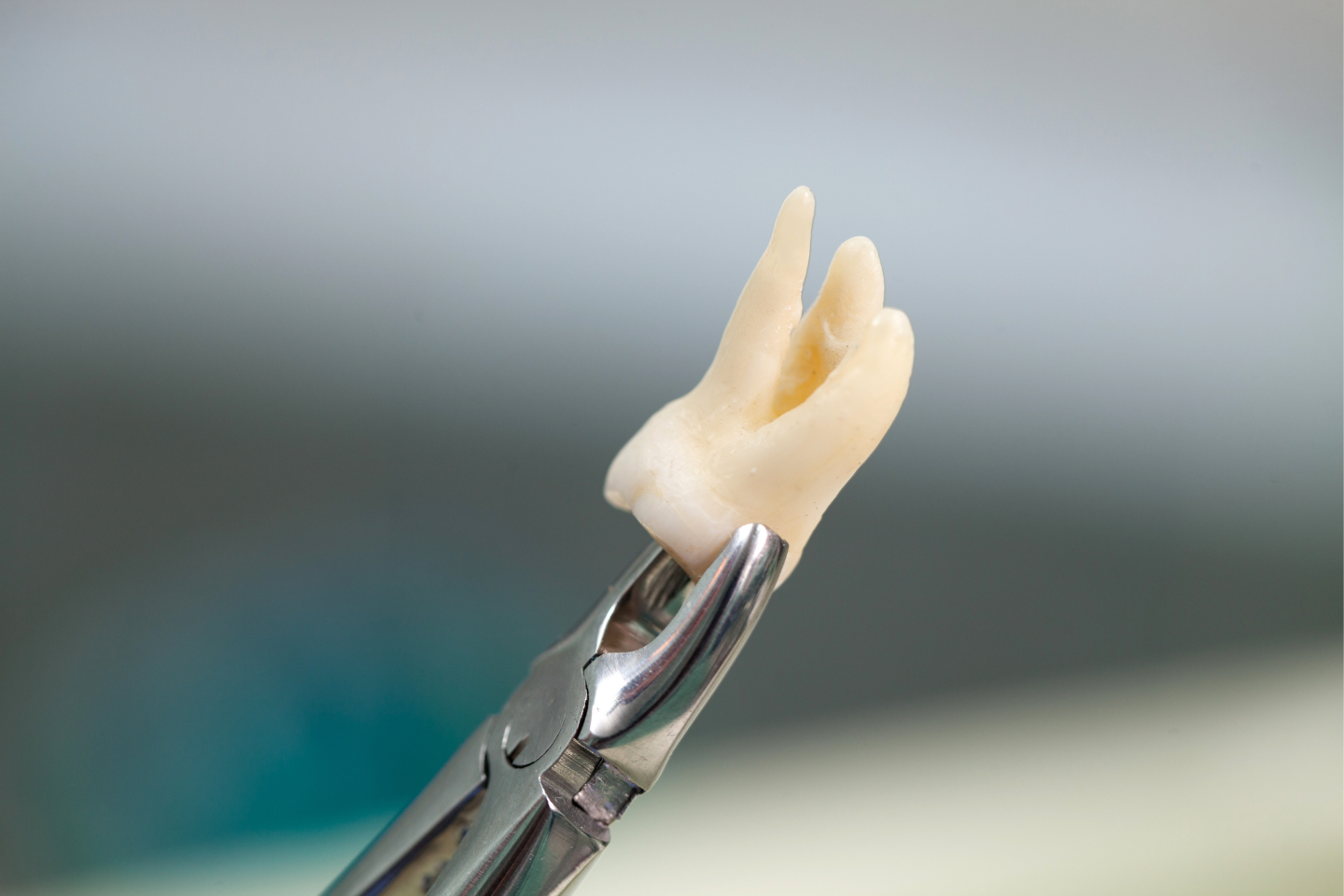
Learn common reasons for tooth extraction, what to expect, and recovery tips from Ilchester Dental & Implant Centre, your family dentist in Ilchester.

Learn how cosmetic dentistry in Yeovil can enhance your smile and boost confidence. Discover treatments like whitening, veneers, and bonding at Ilchester Dental & Implant Centre.
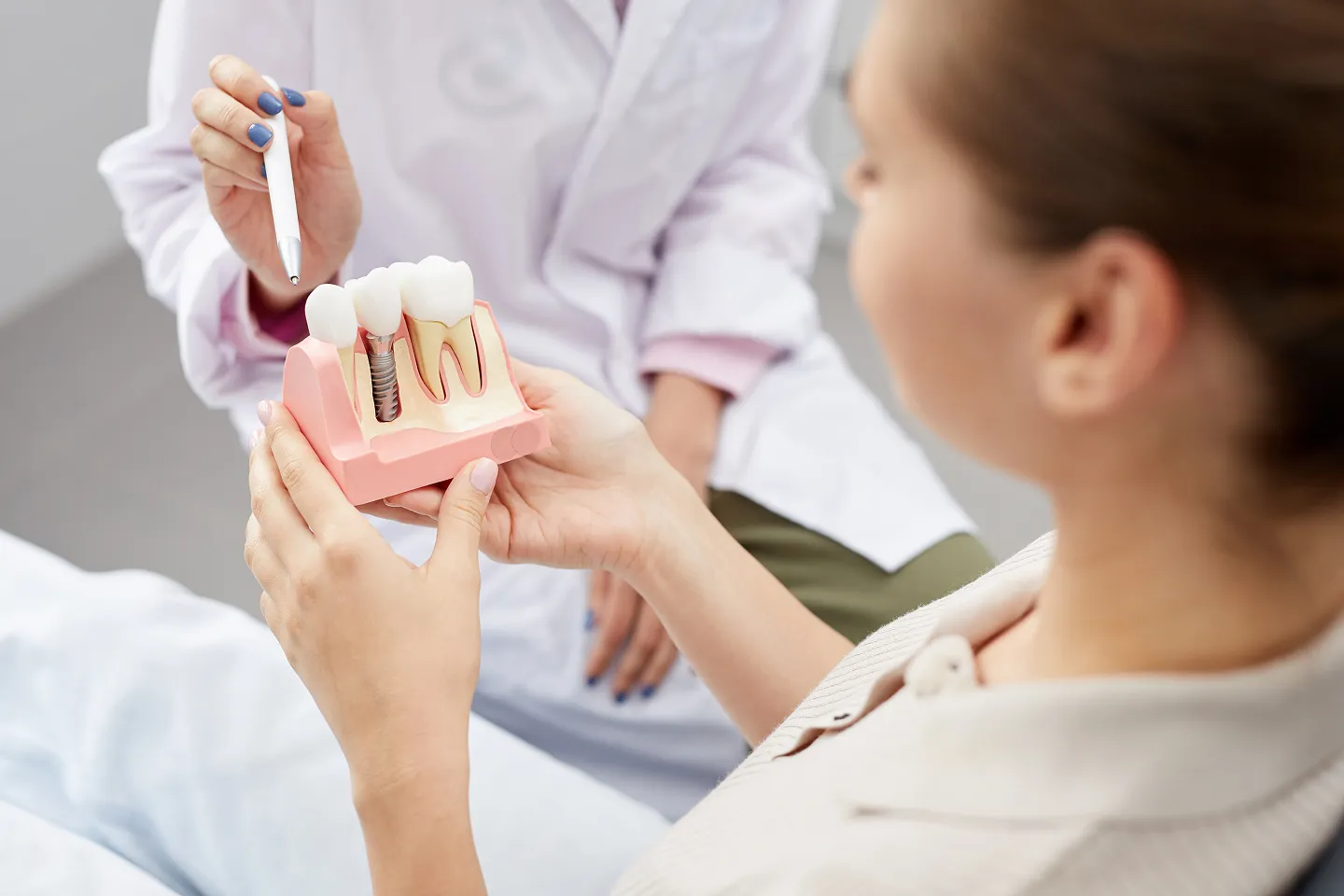
Wondering if dental implants feel natural? Learn how implants restore chewing, speech, and comfort from Ilchester Dental & Implant Centre in Yeovil.














.webp)

.svg)

