Expert surgical treatments for complex dental issues, including wisdom teeth removal and corrective procedures, delivered with precision, care, and comfort.
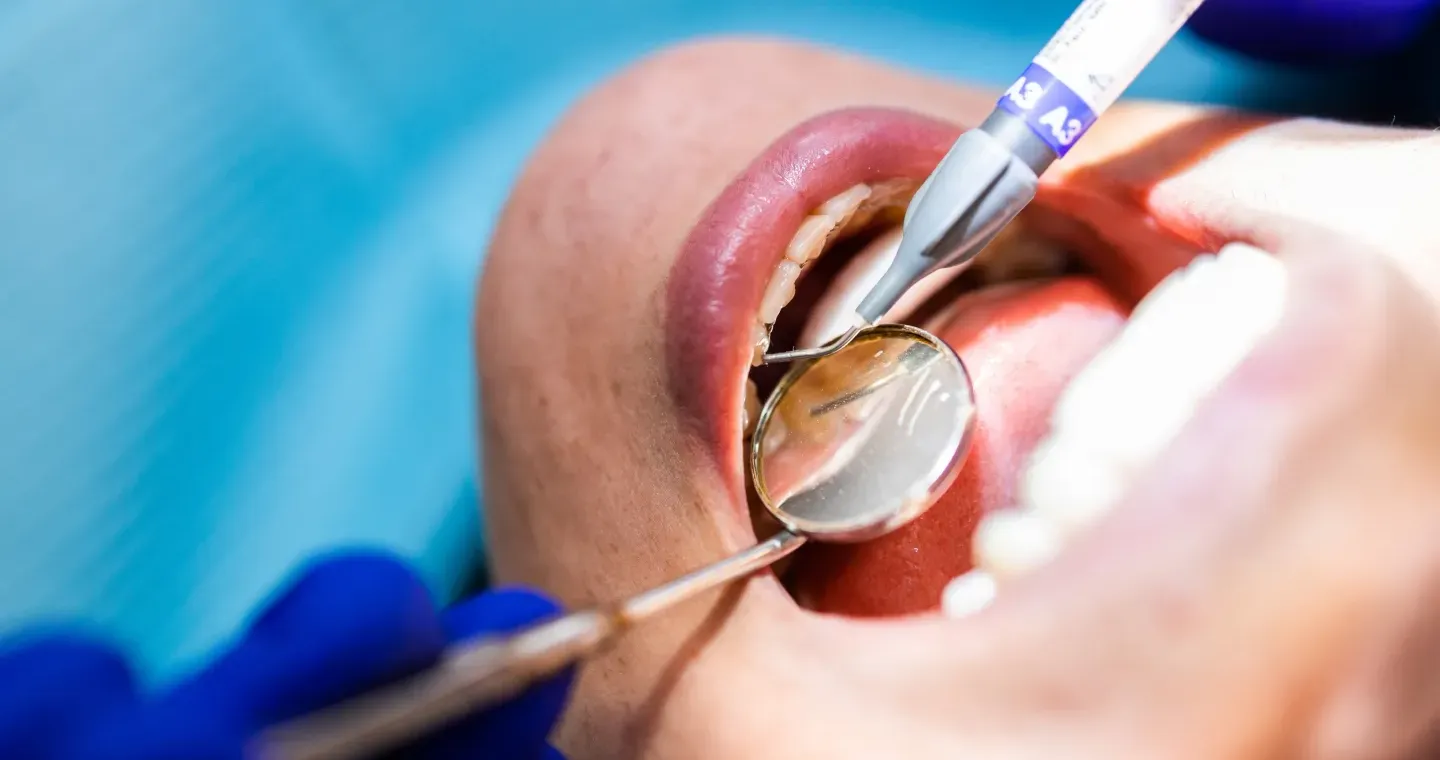
Wisdom teeth are the last teeth to come through, growing at the rear of your jaw. Most people have four wisdom teeth – one in each ‘corner’ at the back of their mouth. Usually, wisdom teeth come through during the late-teens to early-twenties. As they are the last to come through, there isn’t always enough room remaining for them to grow through properly.
Given this, wisdom teeth can sometimes grow through at an angle, potentially getting ‘stuck’ and only coming partway out. When this happens, it is known as having an ‘impacted’ wisdom tooth.
Due to this, wisdom teeth may need to be treated. Usually, this would be through a full extraction. However, in some cases, where the location of the tooth may cause risk of nerve injury, a dentist can remove just the ‘crown’ of a tooth. This is known as a coronectomy.
Some reasons wisdom teeth can require extraction include:
A full extraction carries too high a risk – for example, due to the nerve in your jaw being too close to the roots of the wisdom tooth – a coronectomy can be used to prevent any risk of nerve injury.
During a coronectomy, the crown of the wisdom tooth will be removed, with the roots being left in your jaw, intact. This treatment isn’t recommended if the tooth or its roots are infected.
Apicectomy treatment is also known as root surgery. This is where the tip of a tooth’s root (the apex) is removed in a minor surgical operation. This can be carried out if infection or other complications persist following root canal treatment, or if the dentist has been unable to seal the very tip of a root with a normal filling. An apicectomy then allows the removal of any apex infection, preserving the natural tooth, as opposed to extracting it.
Using local anaesthesia, the area around the tooth is numbed before the nearby gum tissue is raised away from the tooth, gently, to allow access to the apex of the infection. This is then thoroughly cleaned out, before the tip of the root is removed and a special cement is placed to seal the new opening. Finally, the gum tissue is replaced to allow for healing to occur. Sutures (stitches) are often used to hold the gum back in place.

.svg)

Explore our blog for expert advice, treatment insights and oral care tips.
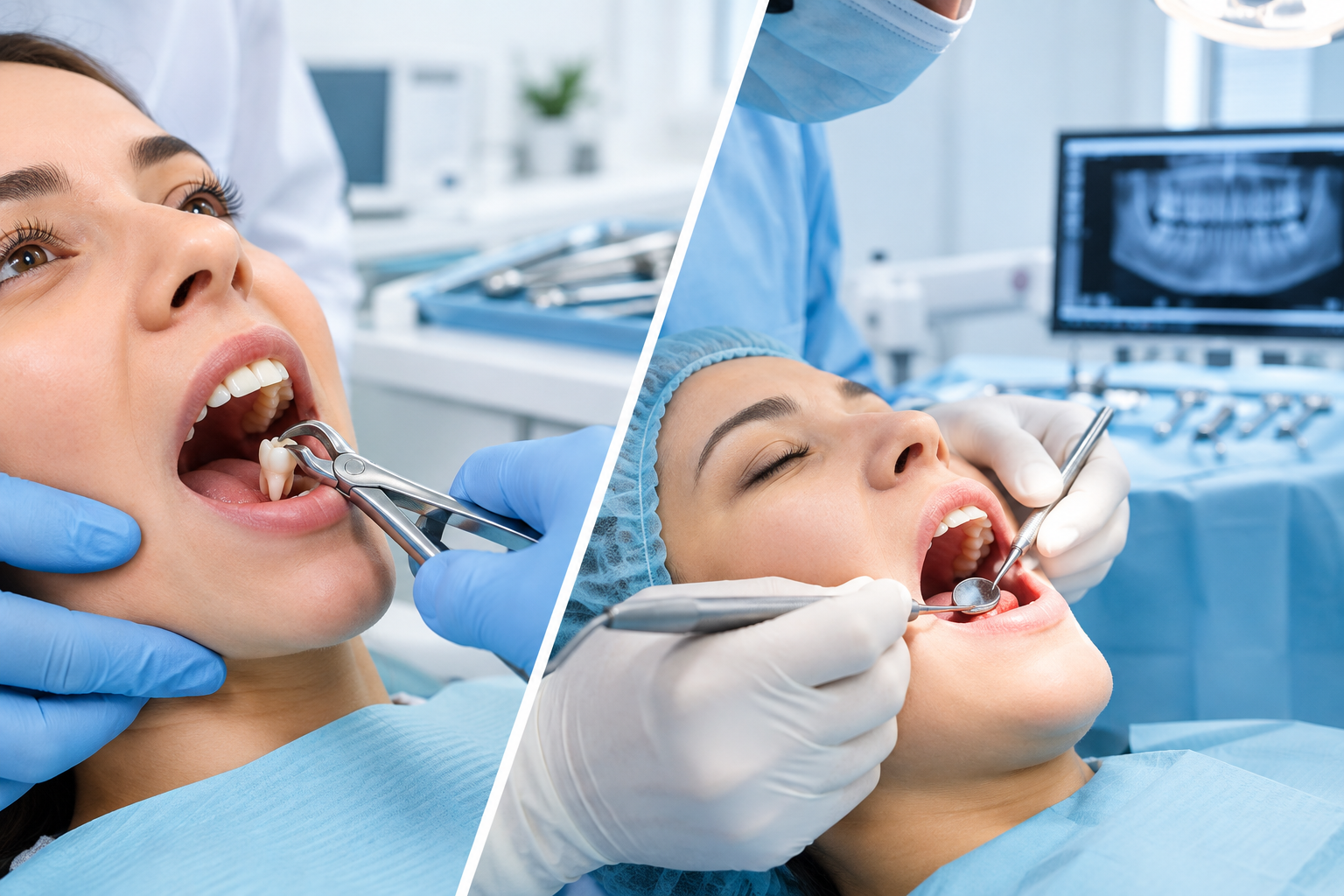
Compare tooth extraction and oral surgery, including key differences and recovery expectations.

Learn 10 signs you may need oral surgery, when to seek treatment, and how early care can protect your oral health and prevent complications.

Learn whether veneers are permanent, how long they last, and what factors affect their longevity and maintenance.















.webp)

.svg)

